Crematorium
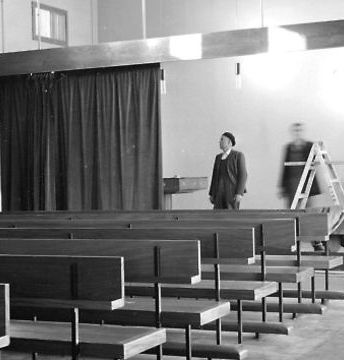
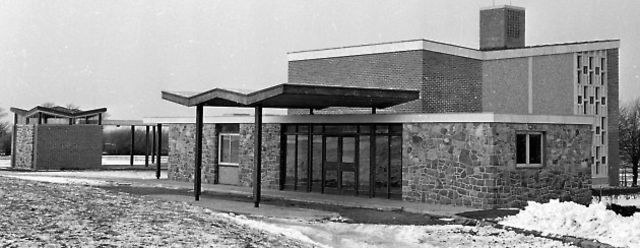
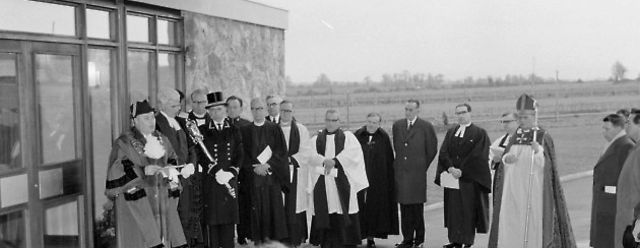
Worle Crematorium opened in 1966, officially opened by Ald FA Boyd Mayor of Weston.


Worle Observatory
Built initially as the village windmill, this stood on the site of the original wooden mill which burnt down.
In 1889 plans were drawn up to make it higher and the crenellations were added.
It became a private Observatory and later a Tea room.
During World War II it was used by the Home Guard.
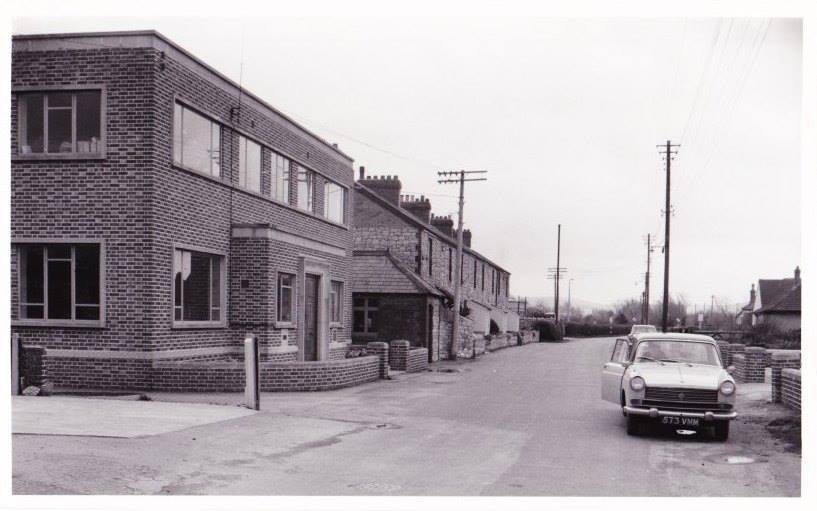
Station Road - Fussells Rubber Factory
Fussells Rubber Factory was a manufacturer known for producing rubber goods.
They produced Rubstuds (Rubber football studs) among others and were dissolved in 2011.
The building was left empty for a few years - it was eventually pulled down with retirement flats now in place on the old site. The terrace houses next to it were also pulled down (see photo below).
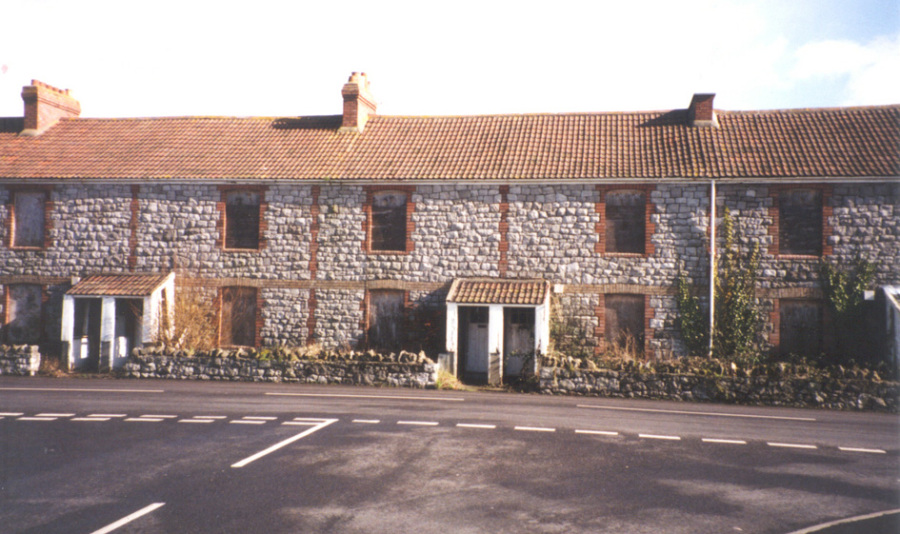
Station Road
Photo taken not long before the houses were pulled down.
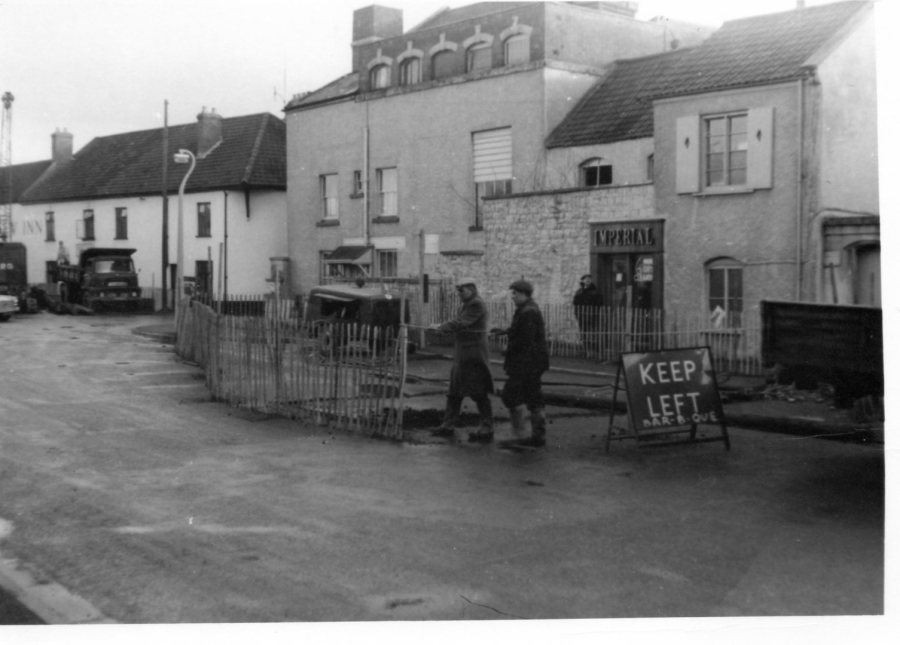
Worle Laundry (former Brewery)
Worle Laundry on the corner of the High Street and Station Road.
The laundry closed in 1979 after a hundred years of operation.
The Brewery 1795 - 1868.
Now retail units and flats.
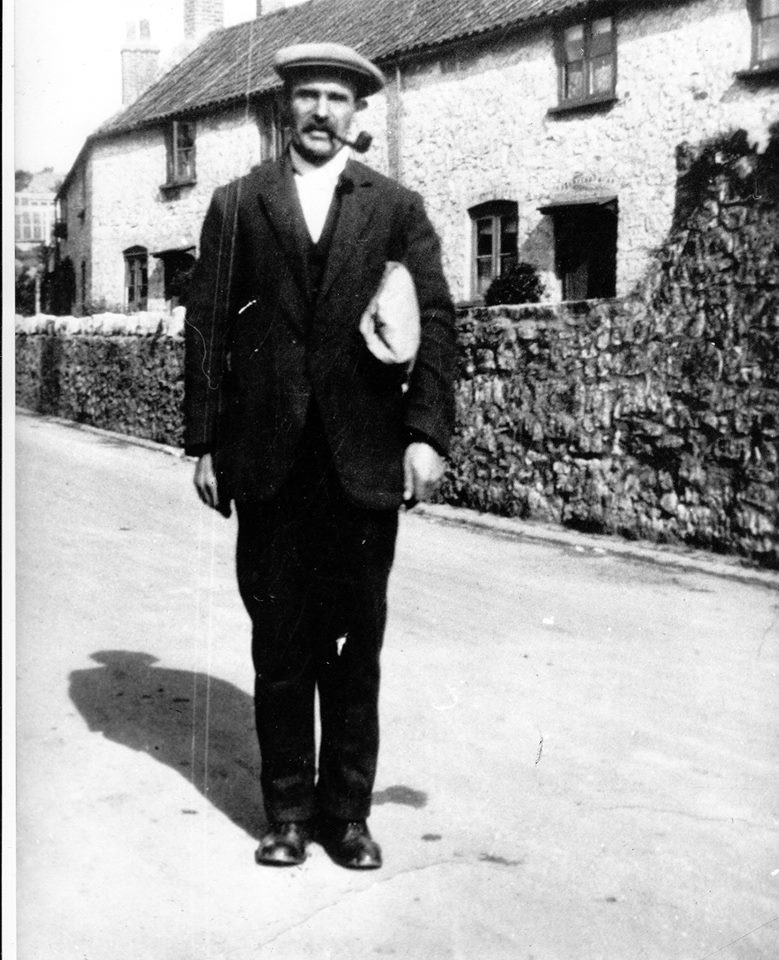
Almshouses
The Almshouses were located at the bottom of the Scaurs.
Almshouses were built for the poor; the ones in Worle were built in 1797 - 1934
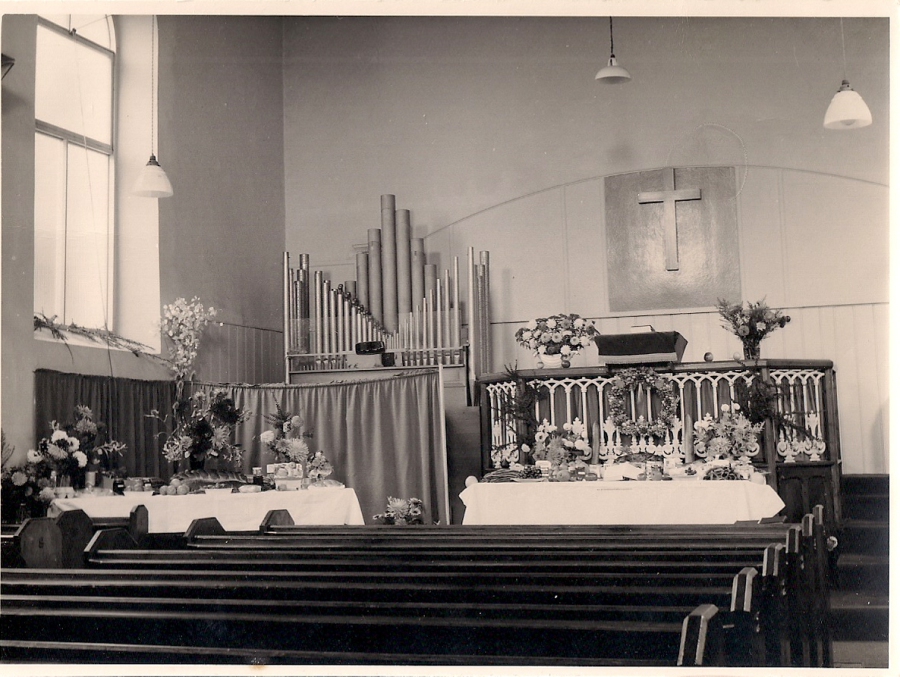
Methodist Chapel
Known as Ebenezer Hall now Worle Community Centre.
Henry Rich laid the Foundation Stone in 1836 and the Chapel opened in 1837.
A School room was addded in 1878.
Extended added in 1965 by John West Buidlers to include a Vestry and kitchen and a new organ installed in 1966.
In 1981 it became Worle Comunity Centre.
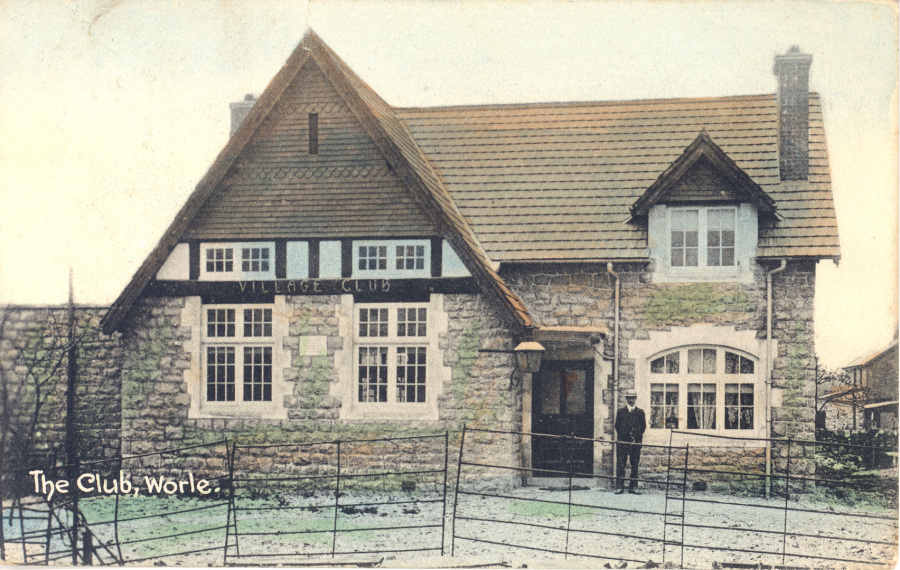
Century Club
The Century Club was designed by the local architect Hans Price.
He also designed the Town Hall, The Mercury Office, Weston Museum and the Kings Head Pub In Worle.
The commemorative stone was laid by Violet Mary Hardwick in 1904 and opened in 1906.
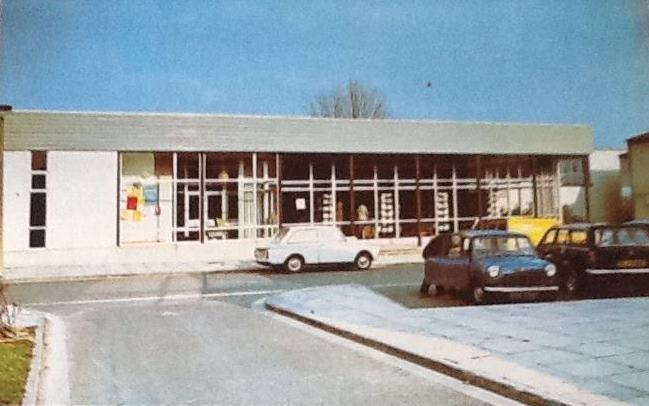
The Maltings
Now Sweets and Things.
Building started in April 1969 at the estimated cost of £40,000.
The library moved to Mendip Ave in 2017.
Formally had pre-fab houses on this site, that were erected after the war. (see below).
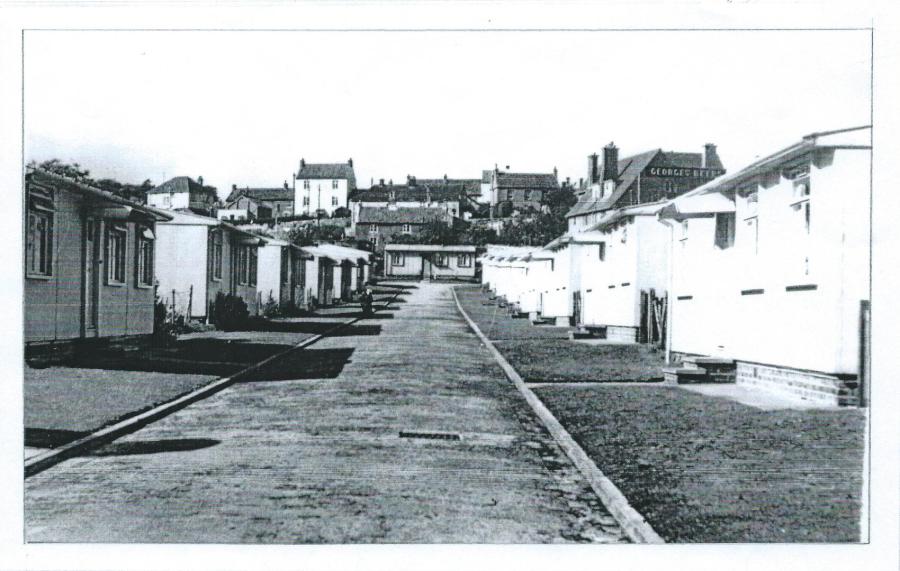
The Maltings
Pre-fab Housing (see above), a lot of families living here moved to Preanse Green when it was first built.
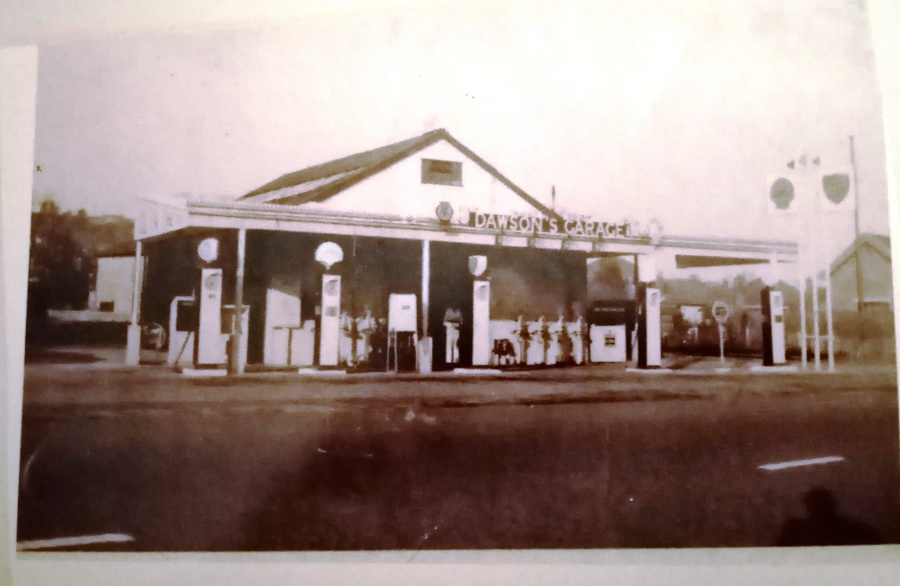
Dawsons Garage
Dawsons Garage New Bristol Road - Just in front of what is now the Petrol Station (by Sparky The Donkey).
The Garage later become Jeff Browns and then BP Garage now Esso.
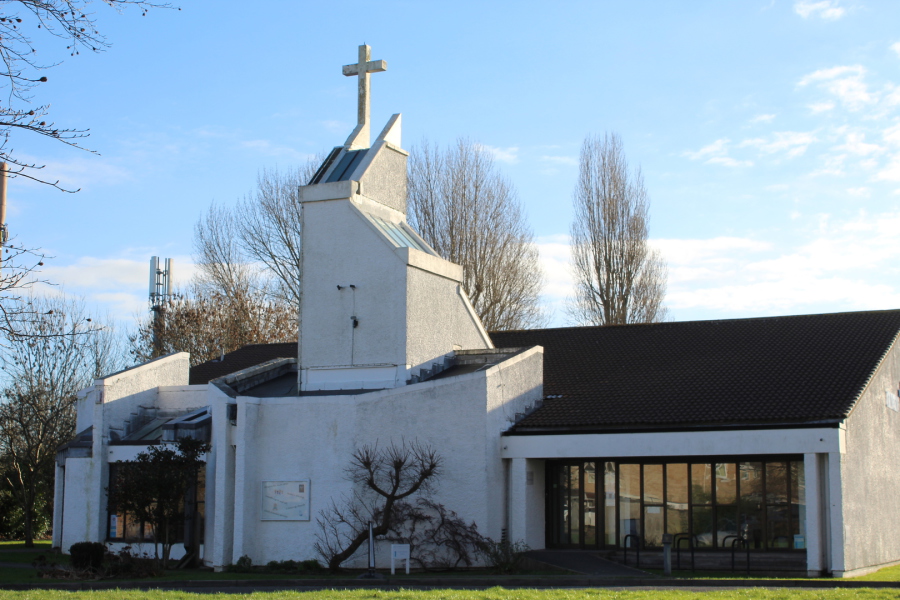
St Marks Church
Built in 1980 Opened 1981.
Vicar Chris Elms joined in 2012.
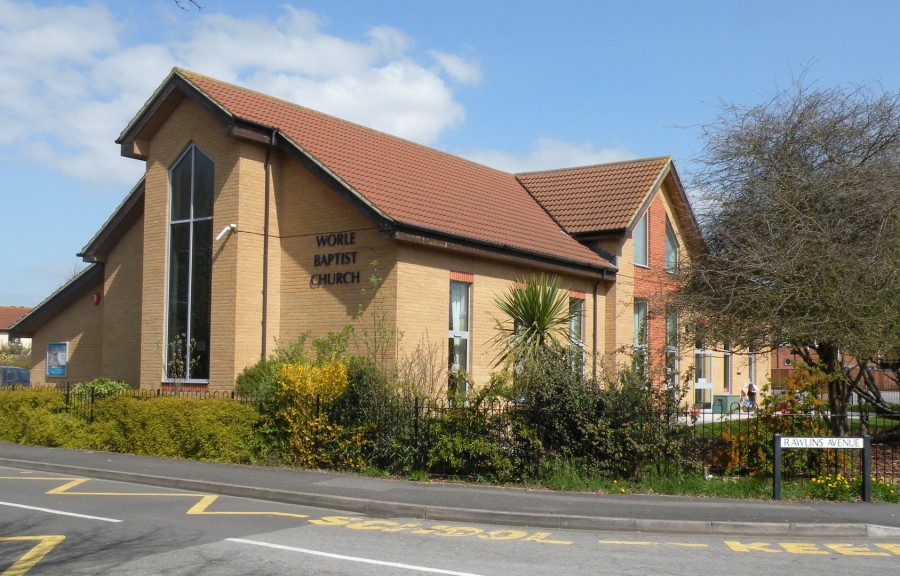
Worle Baptist Church
Opened 2003
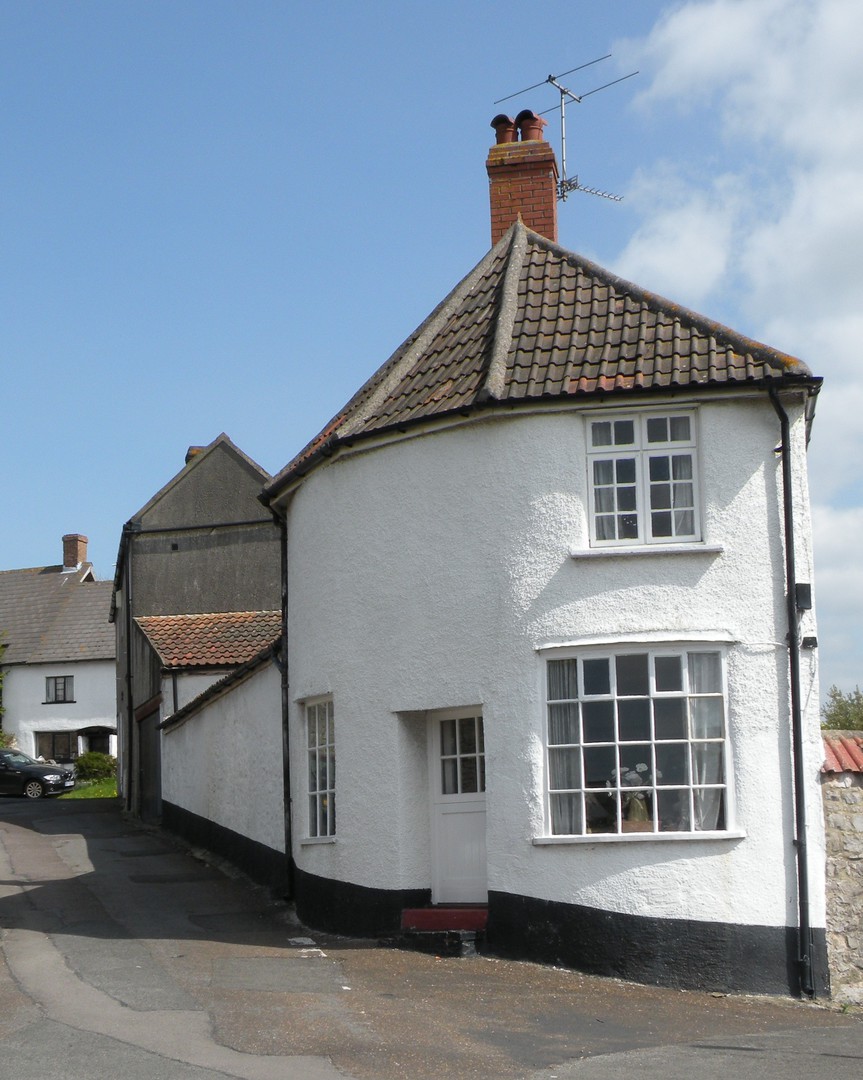
The Round House
The house has been many things including a Sweet Shop.
The Round House was up for sale in 1947 and was described as a double fronted shop,stable and Coach House.
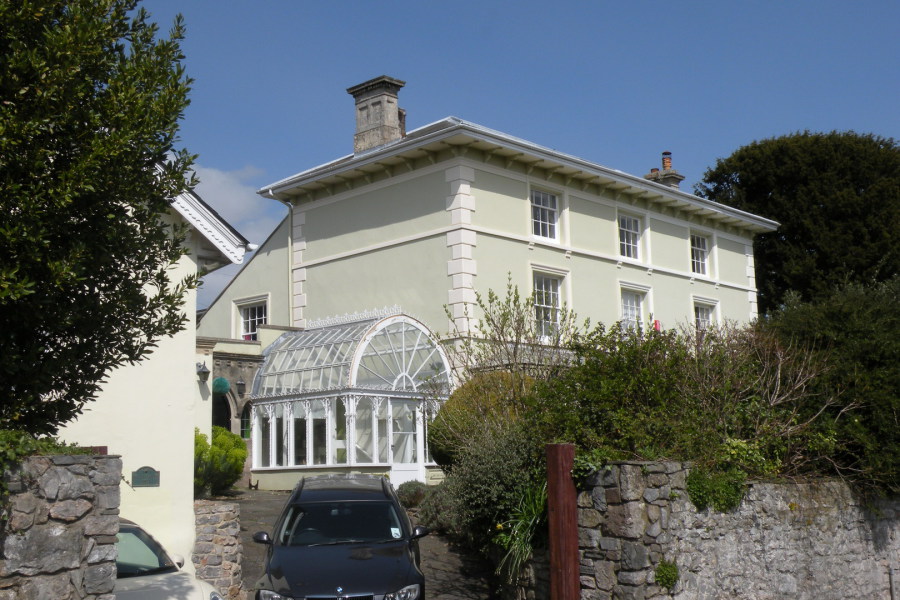
Sunnyside House
Built around 1805. The coach house (next door) was built in 1850; the house also had a large garden on the opposite side of the road.
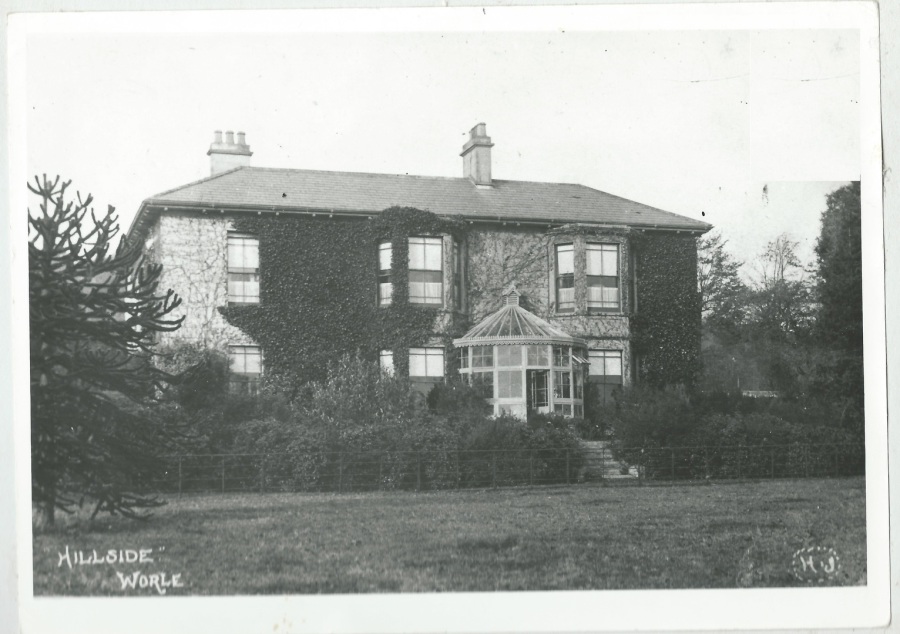
Hillside
Home to Captain Batterscombe and his family.
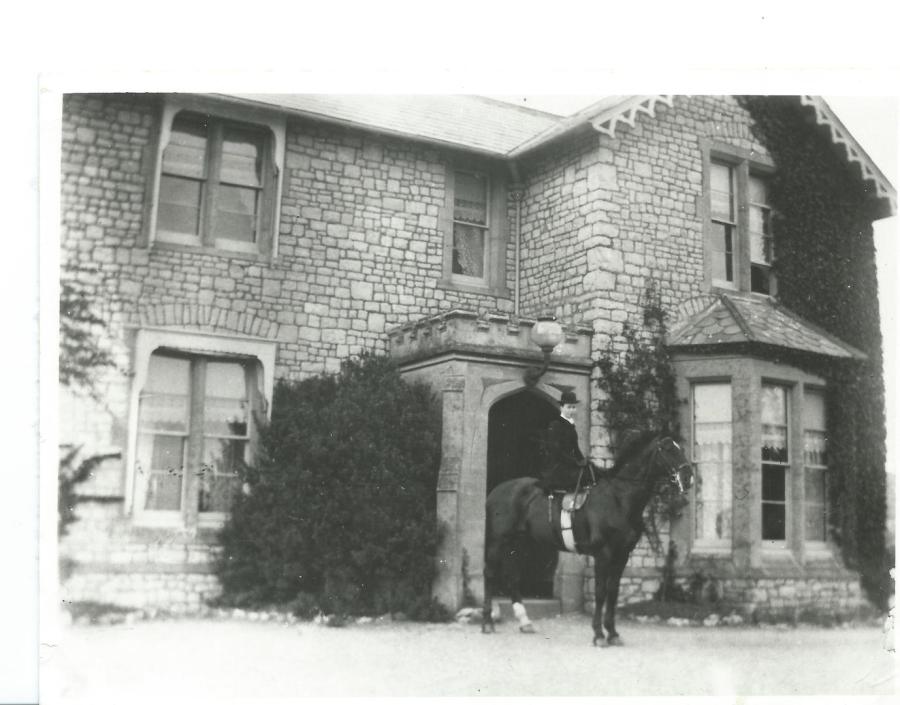
Springfield House
Home to the Hardwick family
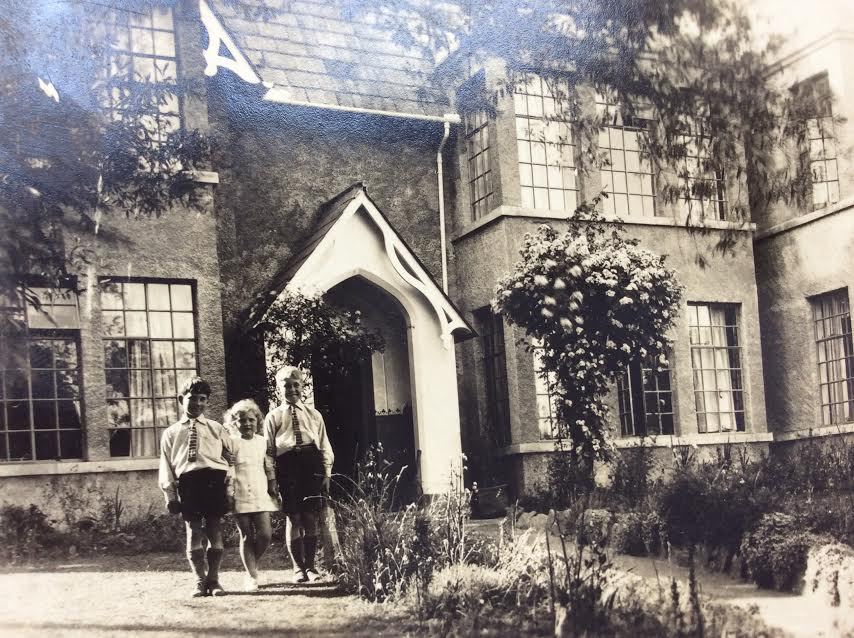
Craigside - Church Road
Home to Dr Petty and his family. Many of Worle would go here to vistit the Doctors surgery.
This photograph shows Nena,Norman and Harry Petty. Harry also become a Doctor and lived in the house. After his death the house was redevloped and split into a few dwellings.
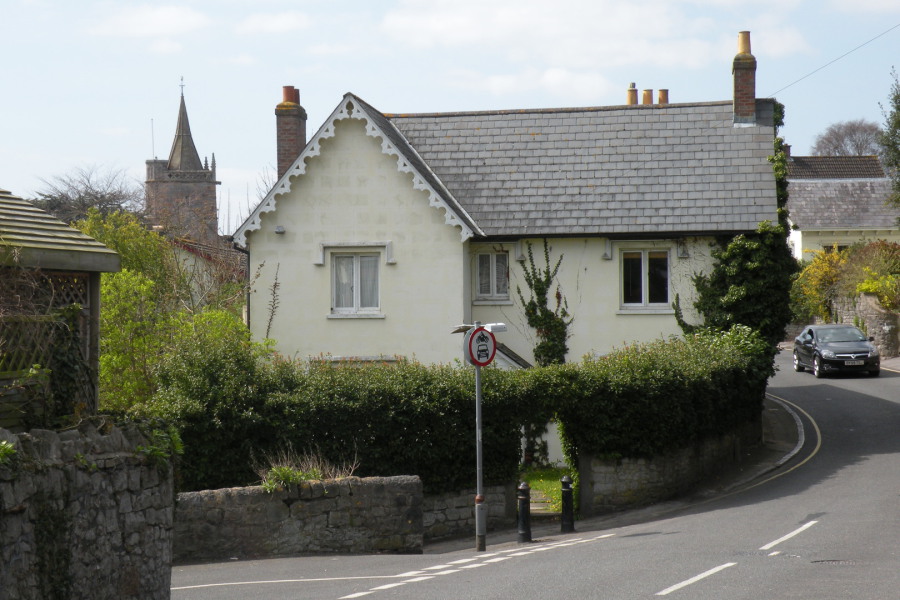
Maywood House - Church Road
Many locals growing up in Worle would refer to this house as the Haunted House.
It was empty for years due to a Compulsary Purchase, the plan was to knock down to open the view and to widen the road but it never happened.
While it was empty a tramp was found dead in the garden. David Skidmore did a lot of research into the tramp at one of our talks.
It is opposite Craigside (the house above).
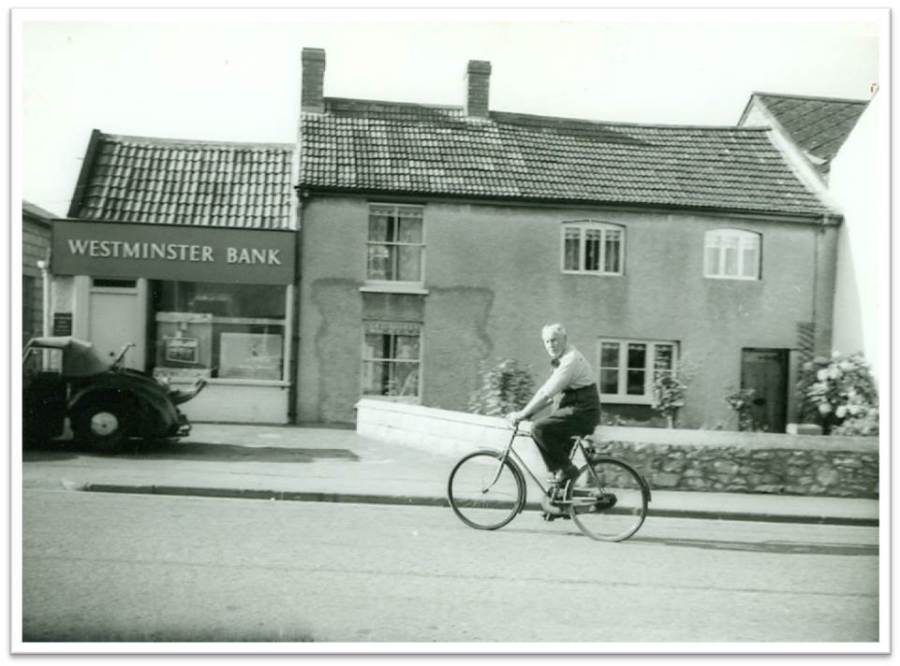
High Street - Next door to the Lamb
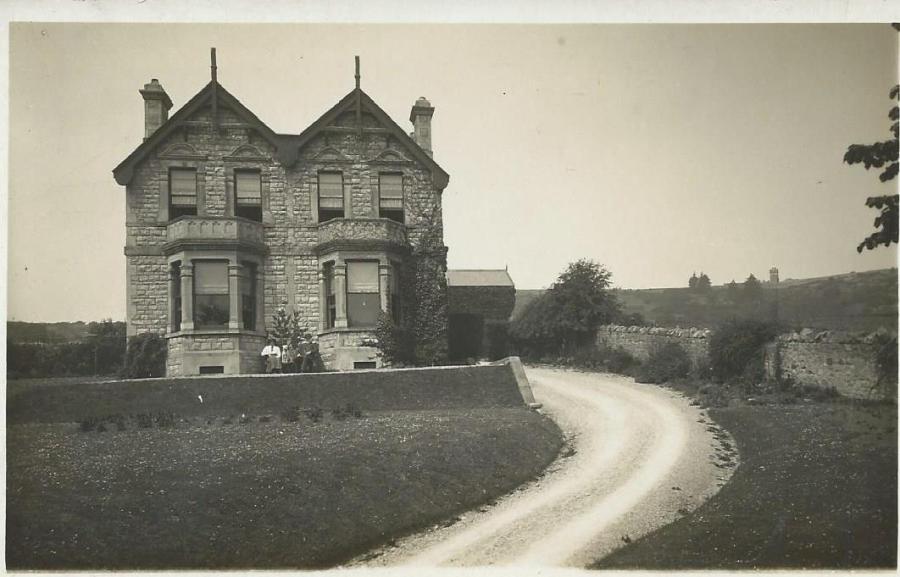
Vicarage
The New Vicage was on Church Road at the top of Coronation Road.
The building was built around 1880, it was sold in the mid 1980s and is now a purpose built block of flats.
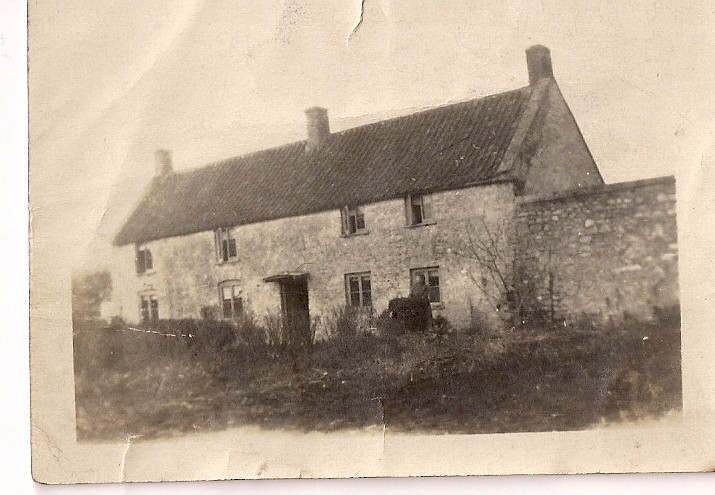
Baytree Farm
Ebdon Road
Home to the Payne family.
The farm is no longer and now is row of modern houses.
Worle Crematorium opened in 1966, officially opened by Ald FA Boyd Mayor of Weston.
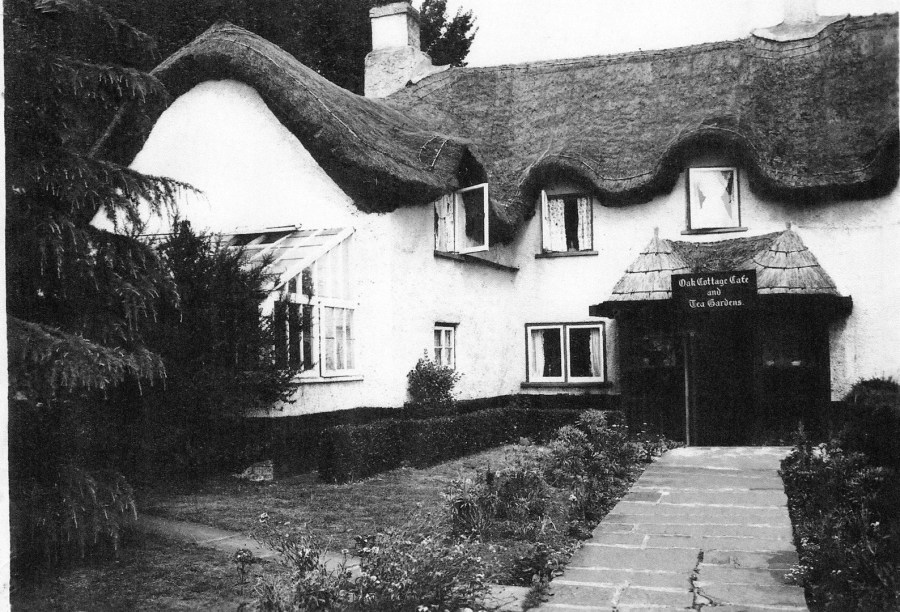
Oak Cottage - Ebdon Road
Grade 2 listed building (known as Magnolia and Oak Lee Cottages).
Once home to the actor Tony Britton`s parents. It has been a Holiday Cottage and Tea Rooms.
It is the only thatched property left in Worle.


The Very Old Vicarage
Worle High Street
Now occupied by Nigel Groves Funeral Directors
This photograph was taken in 1907.
Shown on the 1840 tithe map. Its plot is is described as ‘Vicarage house, garden and premises.’
At that time it was the home of Rev. Nathaniel Wodehouse, who became vicar of Worle in 1829. The house stood in 5 acres of glebe land.
The Wodehouses left in 1871, following Nathaniel’s death.
Rev. Charles Doherty moved in next for a few years.
In 1875 Rev. William Rose took up residence for over 20 years before moving to the parish of Hutton.
A succession of incumbents followed: Rev. Chas Kent [1896], then Rev. Alfred Cecil Harman [1902] and Rev. Frederick Bentley in 1907.
In all this time very little was done to modernise the living quarters.
Cecil Harman’s son, Lancelot, wrote a book about his father entitled ‘Cheers, Sir’, in which he says of the vicarage at Worle:
“The vicarage apparently didn’t boast a bathroom or indoor lavatory, the only available being at the bottom of the garden”
In 1910 Rev. George Bode and his family moved into the house and remained there until after World War One.
The vicarage was sold at auction on 13th February 1919, It was bought by Mr. Jones of Fairfield House. The coach house, cowshed and tennis courts all disappeared over time.
In 1934 the building was converted into 3 dwellings, known as 1, 2 and 3 Kirklands.
The vicarage then moved to Westacre on Church Road and the top of Cornation Road (1919).
It was built about 1880 and has since been replaced by a block of flats.
 Print
Print 